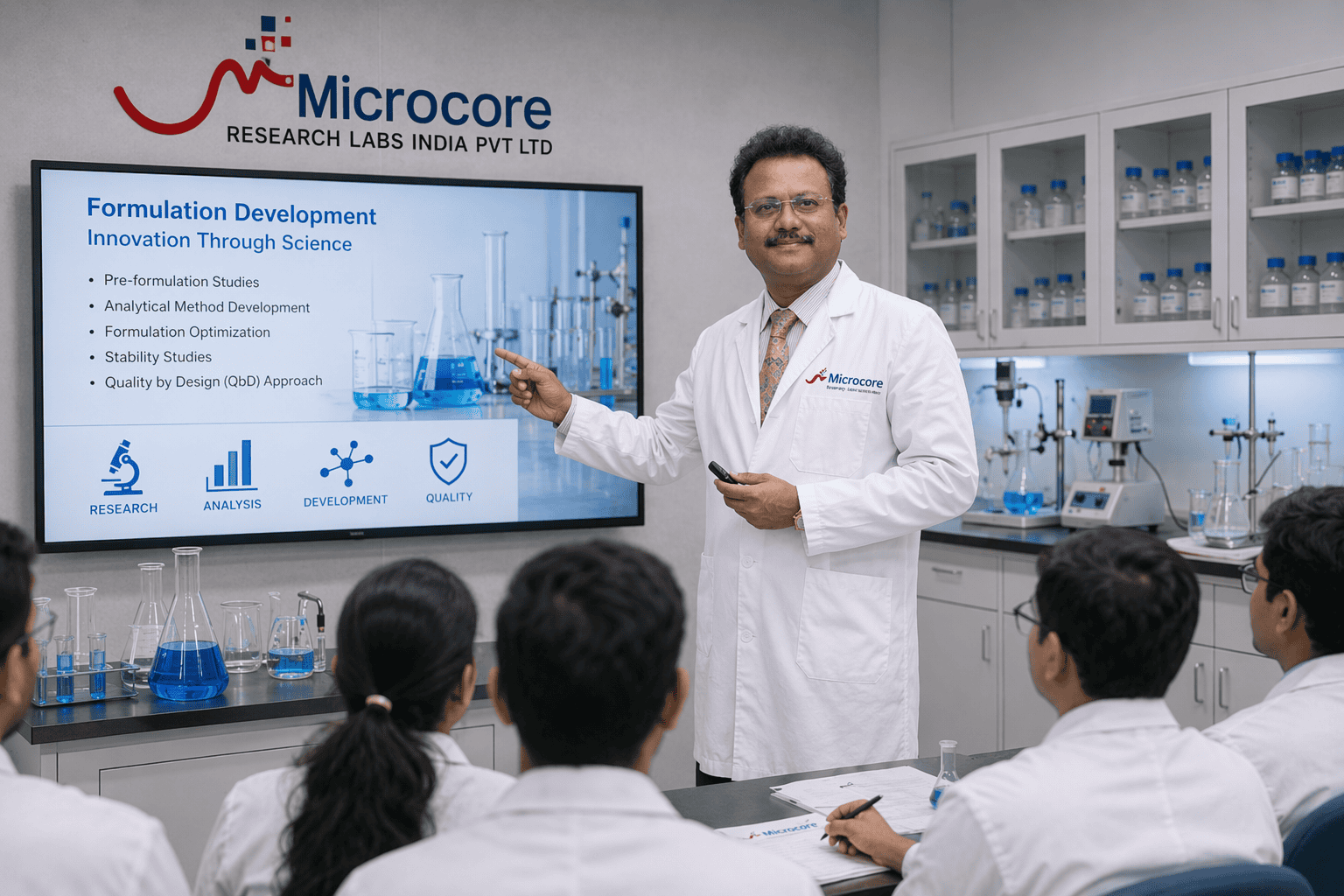

In-house R&D is approved by the Department of Scientific and Industrial Research (DSIR) in the Government of India. commitment to maintaining high standards through the use of various procedures and documentation protocols is commendable.The extensive set of procedures you have in place, such as SOPs, EOPs, IOPs, SAPs, SANPs, SMMs, SMOMs, and MSDS, indicates a robust approach to research activities. This comprehensive documentation not only ensures the quality of your work but also contributes to the reproducibility and reliability of your research outcomes.The practice of using dedicated Research Record Notebooks for each project, with regular updates and weekly review meetings involving scientists, task persons, project coordinators, and project leaders, reflects a structured and collaborative approach to managing research activities. This approach can contribute significantly to maintaining a transparent and efficient research process.Moreover, the use of branded and imported equipment in your R&D laboratory, covering areas such as fermentation upstream and downstream technologies, microbial metabolite screening, microbial discovery, food process development, and process optimization at various scales, speaks to your commitment to using cutting-edge technology for research and development. Overall, your emphasis on documentation, collaboration, and state-of-the-art equipment showcases a strong foundation for successful and impact research and development initiatives.
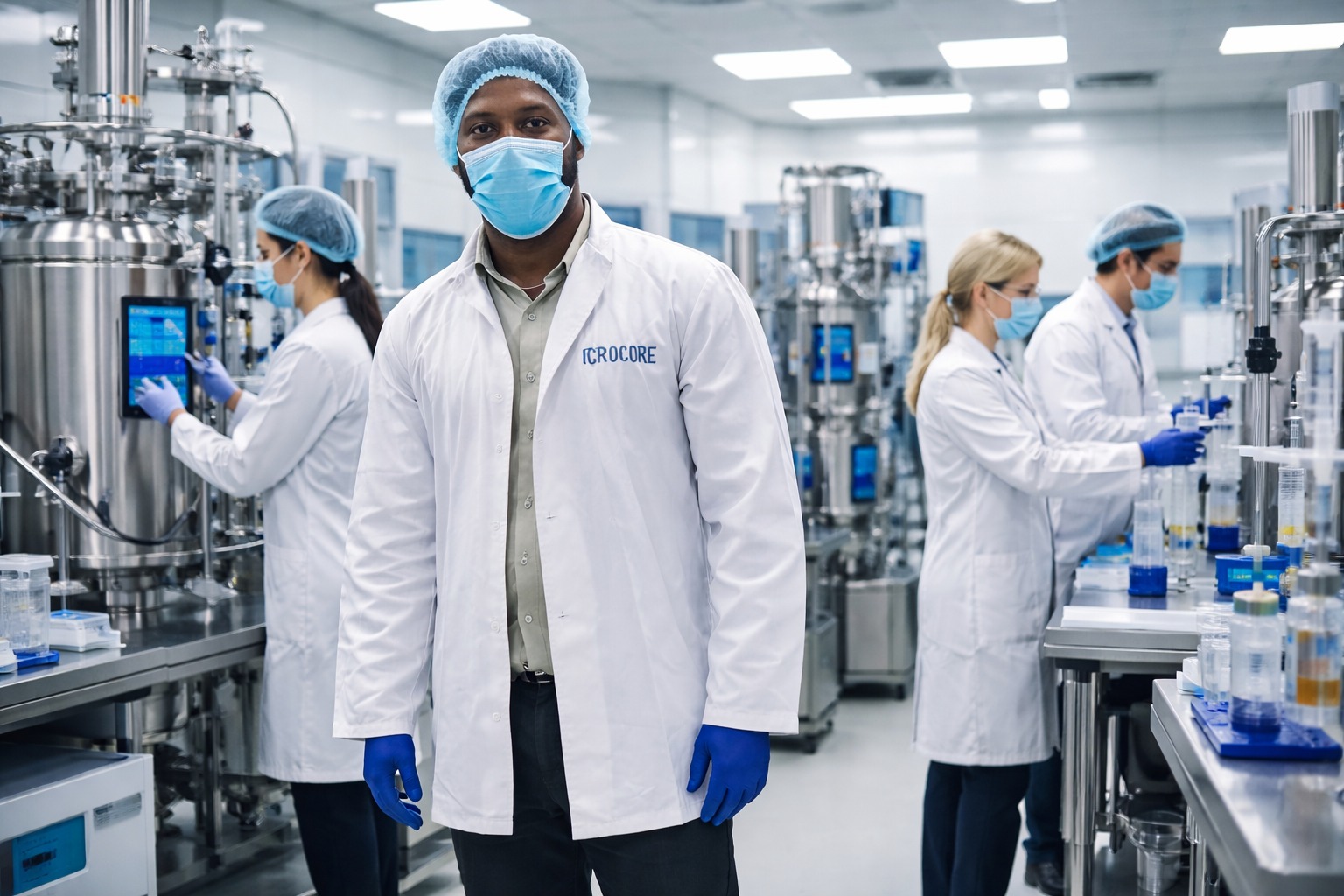
Primarily focus on new strain and metabolite discovery for specific target and strain development by classical mutagenesis methods yield improvement and impurity reduction by strain and variant selection and enhancing the upstream yields by optimization studies.

Primarily works on enhancing downstream lab scale and pilot scale process activities towards yield improvement, separation, recovery and purification.

Works on developing various nutraceuticals based formulations for human and animal Nutrition supplements. The lab focuses on developing effective, yet side-effect-free nutraceuticals formulations common as well as challenging disease conditions. It has dedicated facilities to do the force and accelerated stability studies for new formations.

Works on developing various miniaturized and advanced analytical methods.